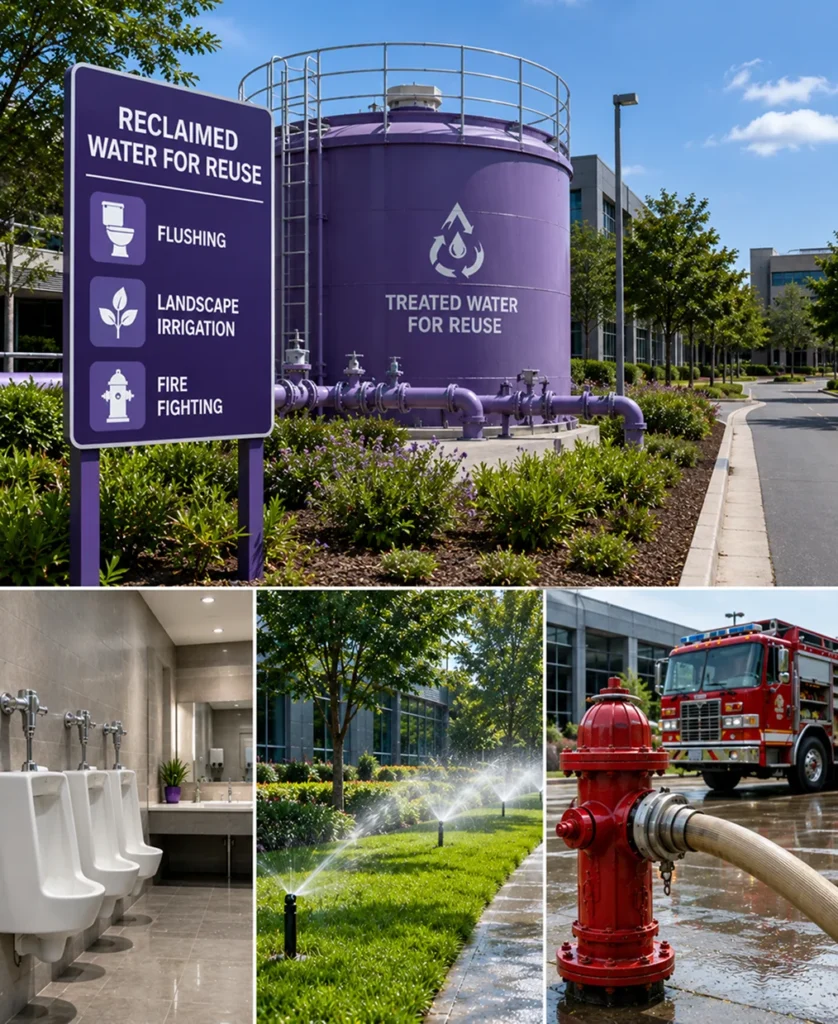
Water

[Product Groups]

Product Groups
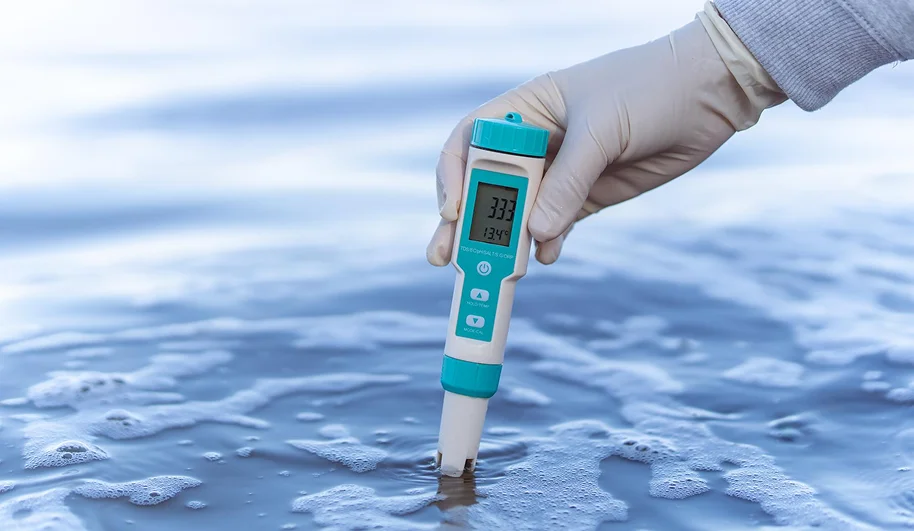
Water quality testing is essential for ensuring safety and suitability for diverse applications, including drinking, industrial, pharmaceutical, and agricultural use. Physicochemical parameters (pH, hardness, TDS) and microbiological analysis determine potability and contamination levels.
Testing for heavy metals, toxic substances, and pathogens is critical to prevent health hazards and ensure compliance with regulatory standards. In industrial applications, water quality directly affects process efficiency and equipment life.
Reliable testing supports public health, environmental protection, and operational efficiency across sectors.

[Potable & Consumer Water Testing]

Testing services for water intended for human consumption and quality-critical industries. These analyses ensure safety, purity, regulatory compliance, and suitability for food, beverage, and pharmaceutical applications.
Water for Drinking Purpose

Water for Drinking Purpose

Testing of drinking water is critical to ensure its suitability for human consumption by assessing physical, chemical, and microbiological parameters. It involves evaluation of characteristics such as pH, turbidity, dissolved solids, and chemical constituents to determine overall water quality. Microbiological analysis is performed to detect pathogens such as coliform bacteria, E. coli, and other harmful microorganisms that may pose serious health risks. Chemical testing identifies contaminants including heavy metals, pesticides, and toxic substances that can affect safety.

Regular monitoring of drinking water helps in early detection of contamination, enabling timely corrective actions and ensuring the integrity of the water supply system from source to distribution. Overall, testing ensures compliance with established standards and safeguards public health by maintaining potable water quality.

Relevant Regulations: BIS IS 10500 (Drinking Water Specification), WHO Guidelines for Drinking Water Quality.
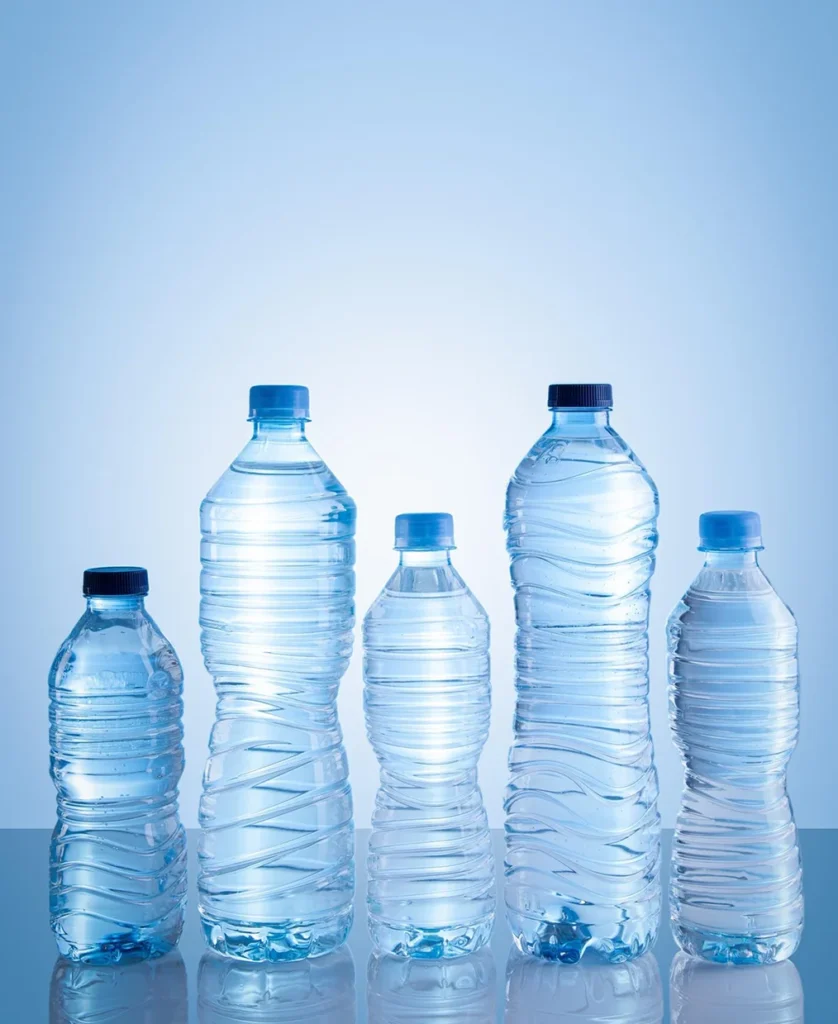
Packaged Drinking Water
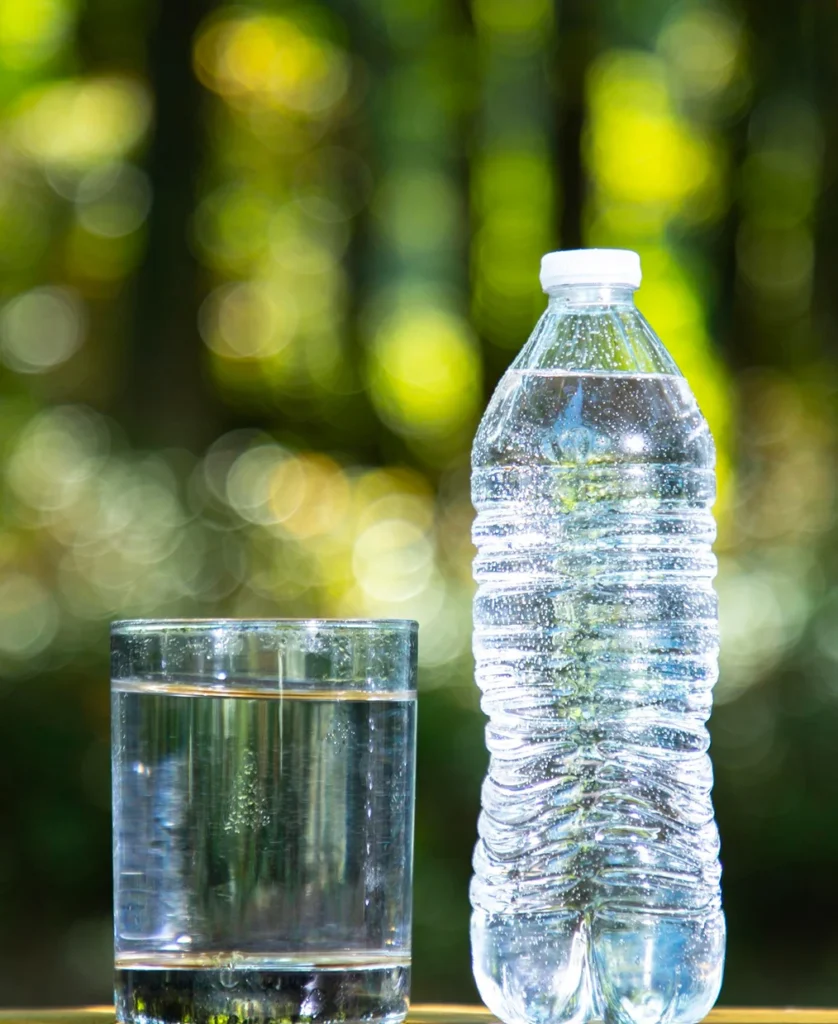
Packaged Drinking Water

Quality assessment of packaged drinking water focuses on ensuring that the product remains clean, safe, and fit for consumption throughout its lifecycle. Microbial evaluation is carried out to confirm that the water is free from contamination, particularly from bacteria that could affect consumer health.
Detailed physico-chemical profiling is performed to examine parameters such as pH balance, dissolved solids, and mineral levels, along with checks for any toxic substances or trace contaminants. The suitability of packaging materials is also reviewed to ensure they do not interact with or degrade the water quality during storage. Storage studies help confirm that the product maintains its intended characteristics over time. Overall, this testing framework ensures regulatory adherence, preserves product integrity, and delivers safe, reliable drinking water to consumers
Relevant Regulations: BIS IS 14543, FSSAI Regulations.
Packaged Natural Mineral Water

Packaged Natural Mineral Water

Testing confirms the natural origin, mineral composition, and purity of the water. It ensures that essential minerals remain within permissible limits and are not artificially altered. Microbiological safety and chemical quality are strictly monitored. It also ensures authenticity and compliance with labelling requirements. This maintains consumer trust and product reliability.
Relevant Regulations: BIS IS 13428, FSSAI Regulations.
Water for Processed Food Industry

Water for Processed Food Industry

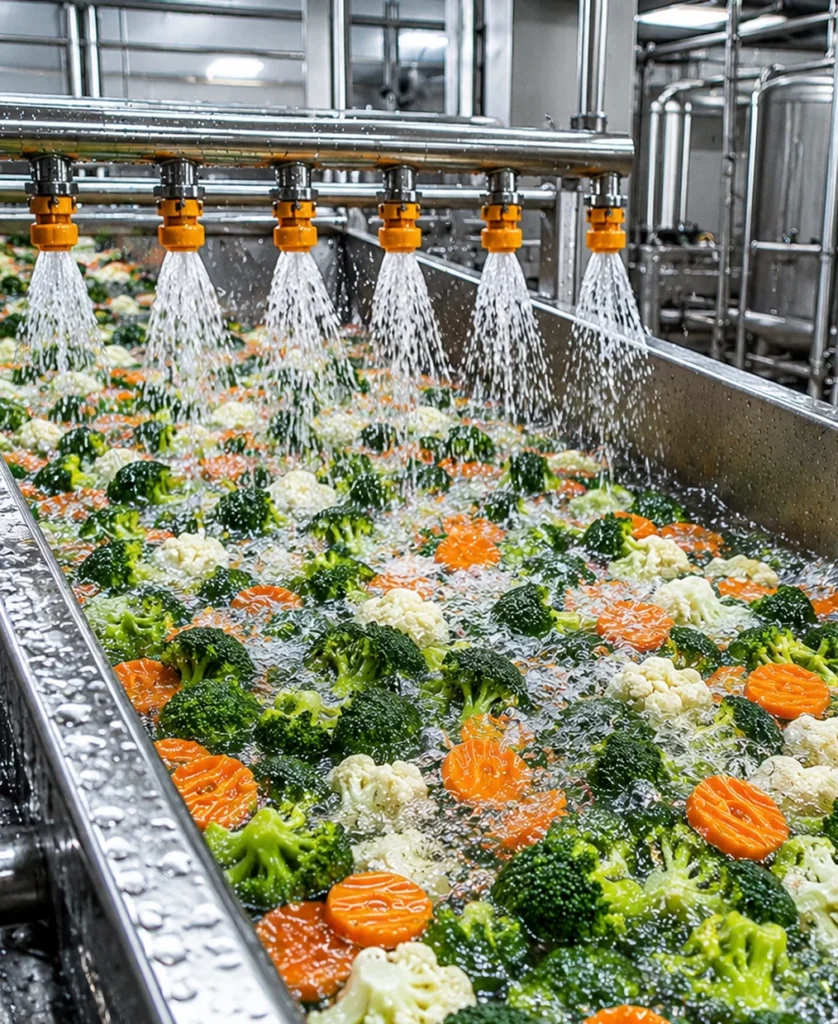
Testing ensures that water used in food processing is safe and free from contaminants that could affect food quality. It evaluates microbiological and chemical parameters critical for food safety. Poor water quality can lead to contamination and reduced shelf life of products. Compliance with standards is essential for food industry operations. Relevant Regulations: FSSAI Regulations, BIS IS 10500,
Water for Pharmaceutical Purpose

Water for Pharmaceutical Purpose

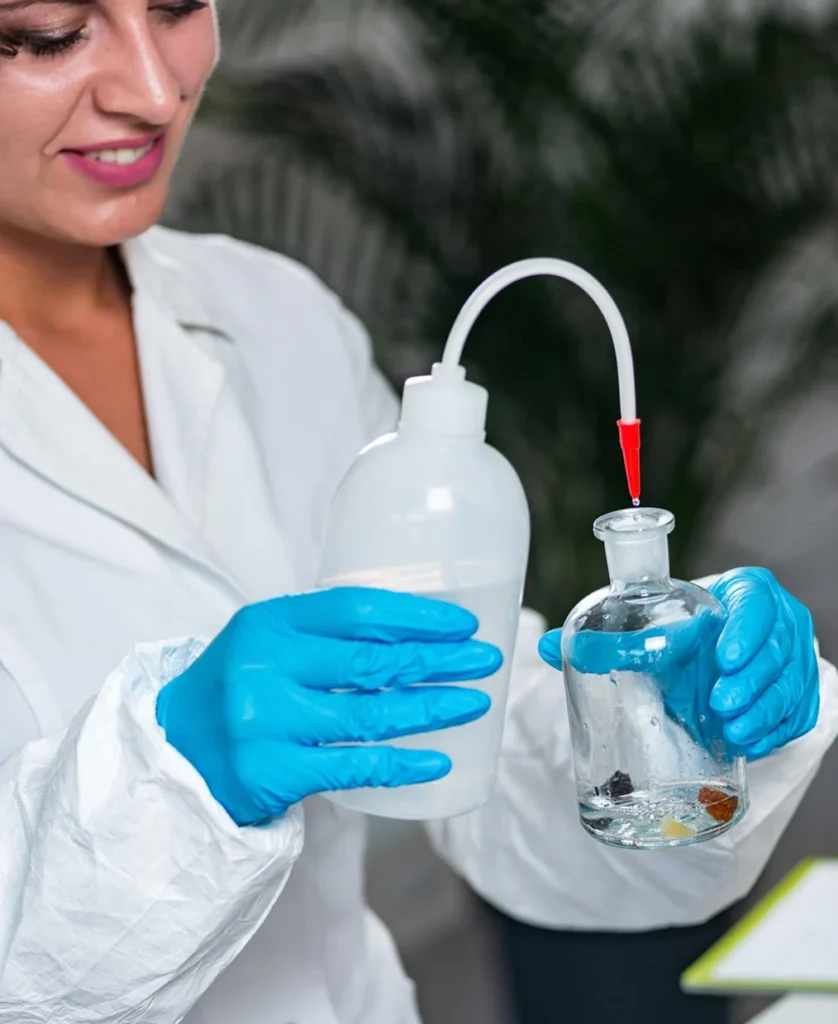
Testing ensures that water used in pharmaceutical production meets stringent purity and safety standards. It evaluates microbial contamination, endotoxins, and chemical impurities. High-quality water is critical for drug safety and efficacy. Compliance with pharmacopeia standards is mandatory.

[Industrial & Specialized Water Testing]

Comprehensive testing solutions for industrial processes, construction, agriculture, laboratories, utilities, and water reuse systems. These services help maintain operational efficiency, equipment reliability, environmental compliance, and sustainable water management.
Water for Construction Purpose

Water for Construction Purpose

Testing ensures that water used in construction does not contain impurities that may affect concrete strength and durability. Parameters like chlorides, sulphates, pH, and dissolved solids are evaluated. Poor-quality water can lead to corrosion of reinforcement and structural weakness. Regular testing ensures suitability for construction use. This supports long-term durability of structures.
Water for Industrial Purpose

Water for Industrial Purpose

Testing ensures water meets specific quality requirements for industrial processes and equipment. It evaluates parameters such as hardness, alkalinity, and contaminants that may affect production or machinery. Poor water quality can lead to scaling, corrosion, and product defects. Regular monitoring improves operational efficiency. It also supports compliance with industrial standards.
Water for Irrigation Purpose

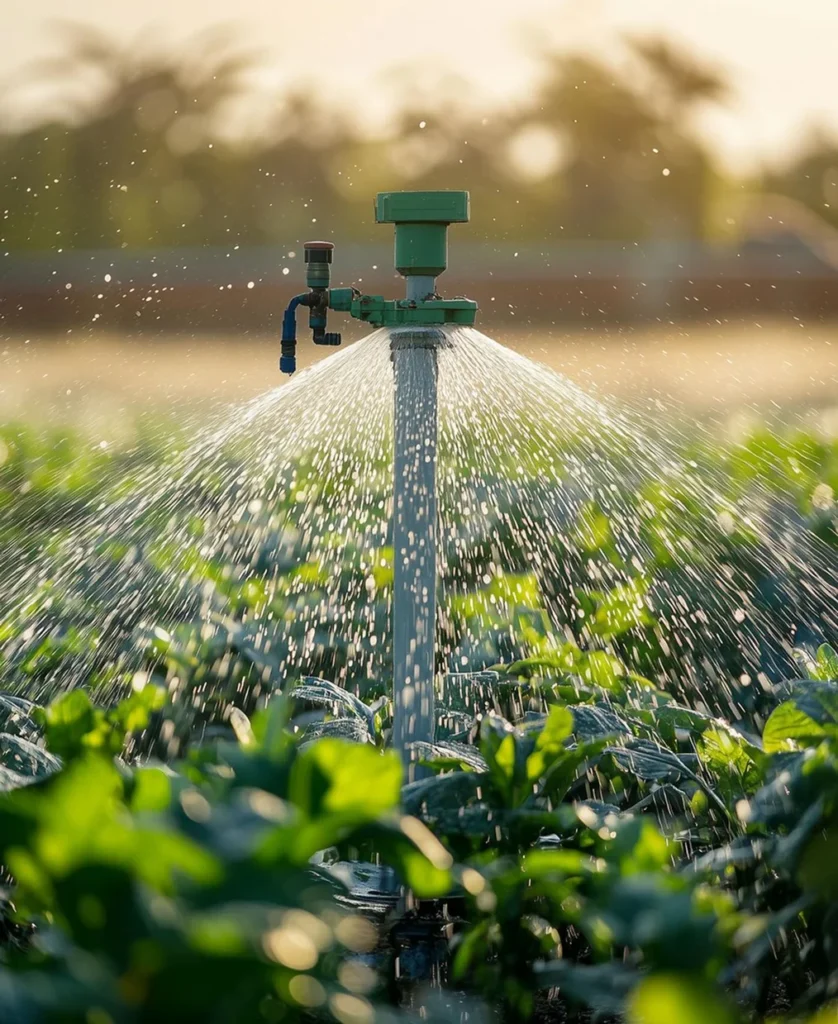
Water for Irrigation Purpose

Testing of irrigation water ensures its suitability for agricultural use by evaluating salinity, pH, and toxic elements. Poor water quality can impact soil health, crop yield, and long-term agricultural productivity. Monitoring helps in effective water management and sustainable farming practices. It ensures safe usage for irrigation purposes.
Water for Recreational Activities

Water for Recreational Activities

Testing ensures that water used for swimming and recreational purposes is hygienic and safe. It evaluates microbial contamination, disinfectant levels, and chemical quality. Poor water quality can lead to infections and health risks. Regular monitoring helps maintain safe recreational environments.
Water for Boiler Feed

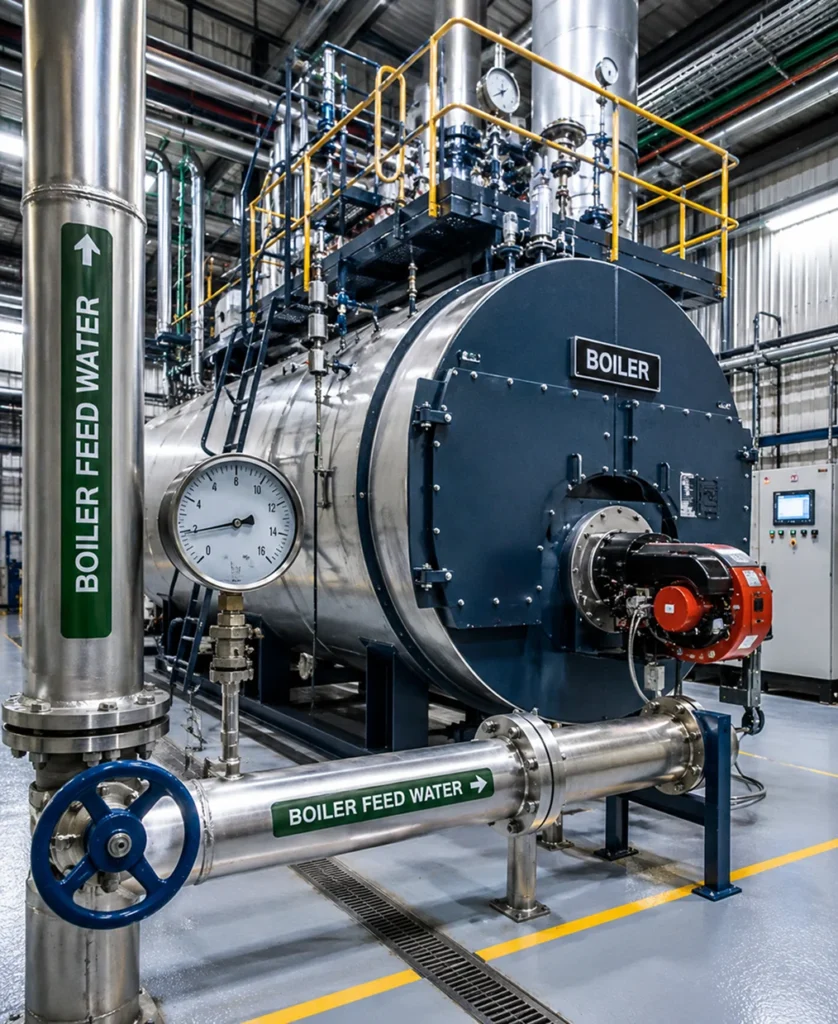
Water for Boiler Feed

Testing ensures that boiler feed water is free from impurities that cause scaling, corrosion, and fouling. Parameters such as hardness, dissolved oxygen, and alkalinity are evaluated. Poor water quality reduces boiler efficiency and lifespan. Regular monitoring ensures proper treatment and performance.
Reagent Grade Water

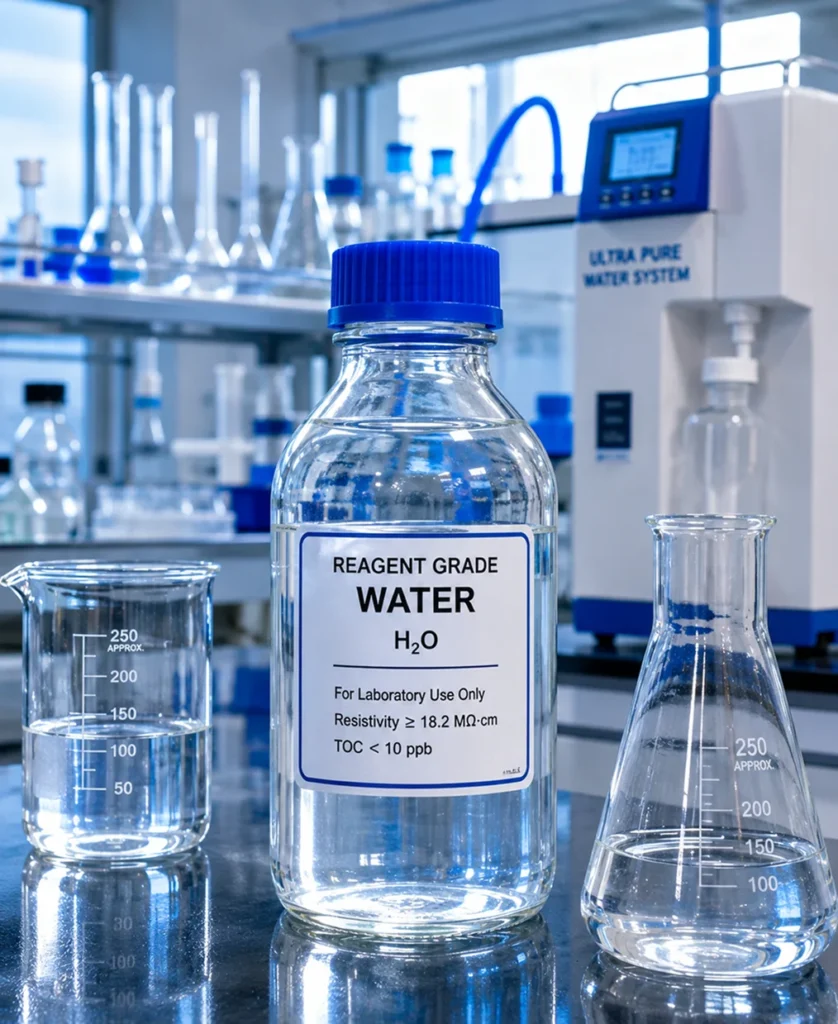
Reagent Grade Water

Testing ensures that reagent grade water meets high purity standards required for laboratory use. It verifies absence of contaminants that may interfere with analytical results. Parameters such as conductivity and total organic carbon are evaluated. High purity ensures accuracy and reliability in experiments.
Water for Reuse

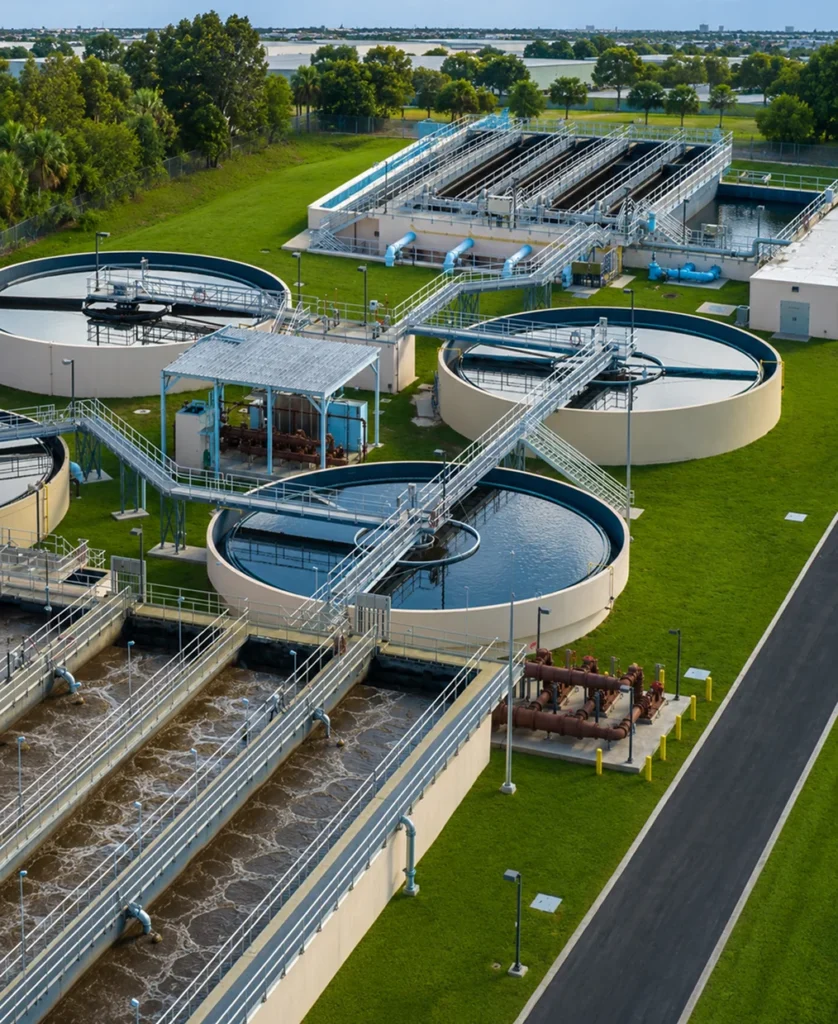
Water for Reuse (Flushing, Landscape, Fire Fighting)
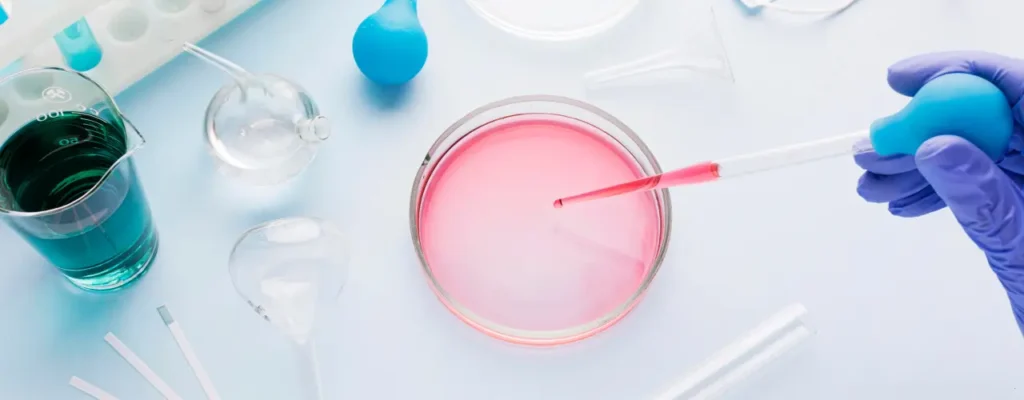
Testing ensures that treated wastewater is safe for non-potable reuse applications. It evaluates microbial load, chemical contaminants, and overall quality. Proper testing ensures suitability for intended purposes without health risks. It also supports sustainable water management and conservation.

[Blogs & case studies]

Knowledge Hub for Analytical Testing & Research

[FAQ]

Frequently Asked Questions

Why is water quality testing important?
Water quality testing ensures that water is safe and suitable for its intended use by analyzing physical, chemical, and microbiological parameters and detecting harmful contaminants.
Water testing includes evaluation of pH, hardness, TDS, turbidity, dissolved oxygen, heavy metals, microbial contamination, and other chemical pollutants.
Microbiological testing detects harmful organisms such as coliforms and E. coli, ensuring water is free from pathogens that can cause waterborne diseases.
Different applications such as drinking, industrial, pharmaceutical, irrigation, and food processing require specific quality standards and parameters to ensure suitability and safety.
Water testing follows standards such as BIS IS 10500, BIS IS 14543, BIS IS 13428, FSSAI guidelines, and WHO drinking water quality standards depending on usage.

Ensure Safe & Reliable Water Quality

Get accurate and comprehensive water testing services for drinking, industrial, pharmaceutical, agricultural, and recreational applications. Our advanced testing ensures compliance with regulatory standards, detects contaminants, and guarantees water safety and suitability for use.
Scroll to Top