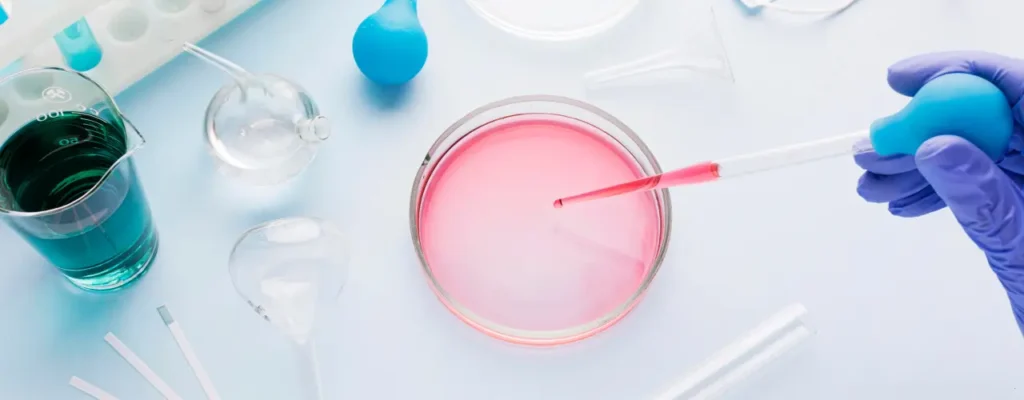
Environmental Testing

Environmental microbiology testing is a critical service for monitoring and controlling microbial contamination in various environmental matrices such as air, surfaces, water, soil, and industrial environments.

[Detailed Description ]

Environmental Microbiology Testing for Hygiene and Contamination Control

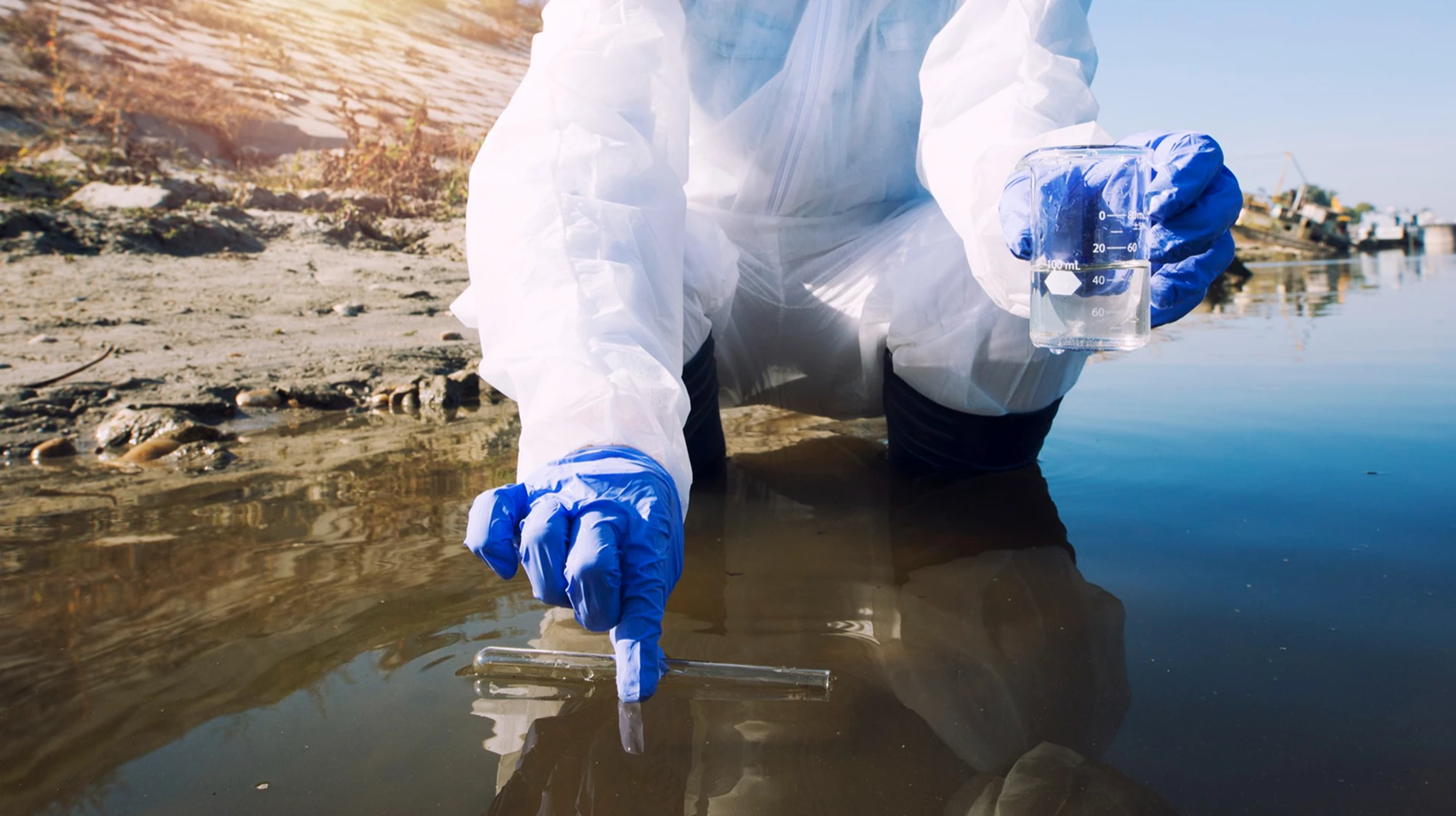
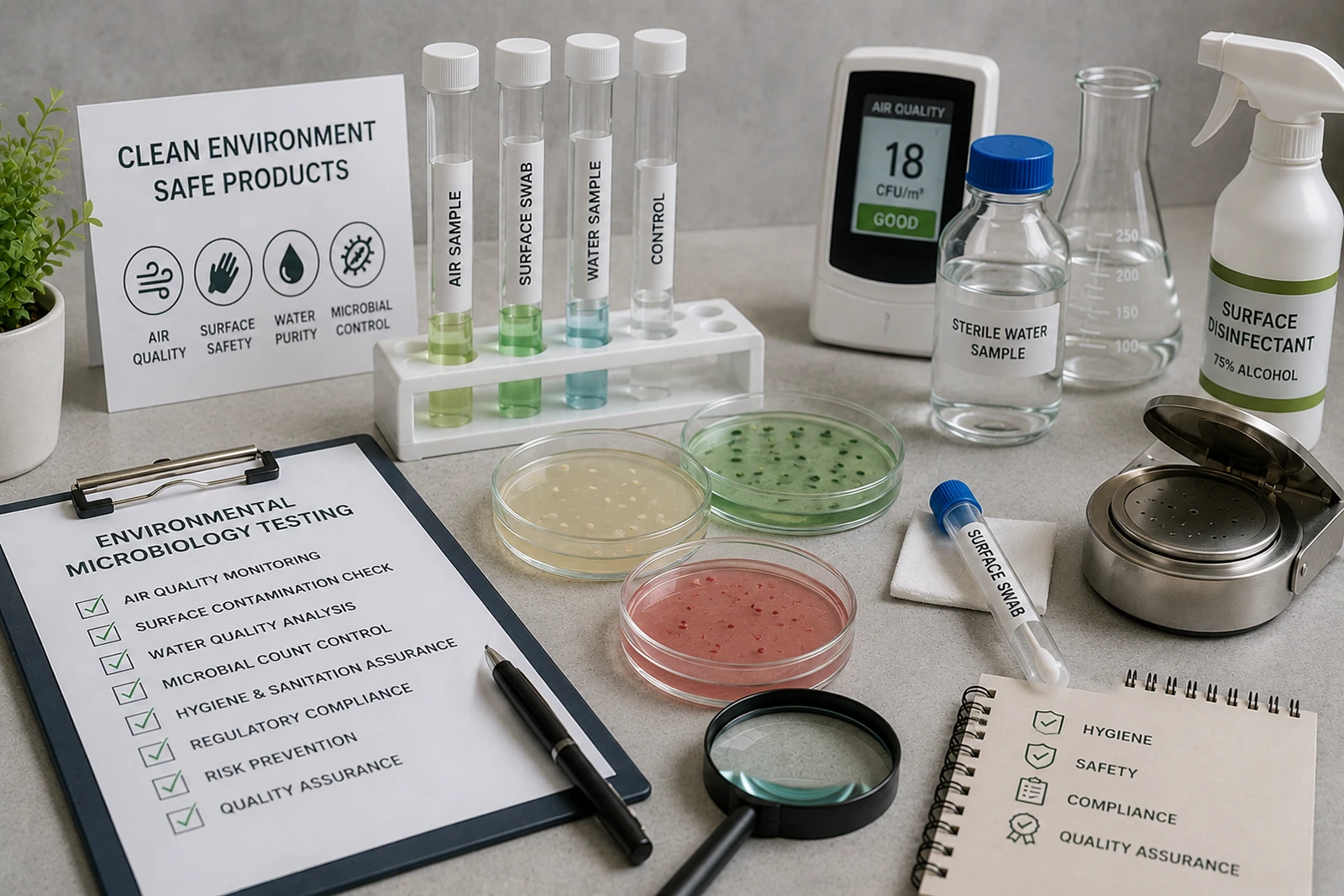
Environmental testing is carried out to assess the quality and safety of air, water, soil, and surrounding environments. It helps identify contaminants that may impact human health and ecosystems. We provide comprehensive environmental testing services to detect and measure microbiological parameters in various samples. Environmental microbiology testing is a critical service for monitoring and controlling microbial contamination in various environmental matrices such as air, surfaces, water, soil, and industrial environments. It plays a vital role in maintaining hygienic conditions in controlled and non-controlled areas including food processing units, pharmaceutical facilities, laboratories, hospitals, and cleanrooms.This testing involves the detection and enumeration of microbial load (bio-burden), as well as identification of specific pathogens that may pose risks to product quality and human health. Parameters such as air quality (settle plates, active air sampling), surface contamination (swab testing), and water microbiology are routinely evaluated to ensure that environmental conditions meet required standards.
Environmental monitoring is particularly important in classified areas where strict contamination control is required. Bio-burden estimation helps in assessing the effectiveness of cleaning, sanitation, and disinfection practices, ensuring that microbial levels remain within acceptable limits. Failure to control environmental contamination can lead to product spoilage, cross-contamination, regulatory non-compliance, and potential health hazards. All testing is conducted using validated methods, ensuring accuracy, traceability, and reliability of results. This supports compliance with regulatory and industry standards, and provides confidence in environmental control measures. Environmental microbiology testing ultimately helps organizations maintain product safety, regulatory compliance, and operational hygiene, while minimizing contamination risks and protecting public health.

Enivornment
Significance (1)

Significance

Environmental microbiology testing is essential to monitor and control microbial contamination in air, surfaces, water, and other environmental matrices. It helps maintain hygienic conditions in critical areas such as food processing units, laboratories, and cleanrooms, ensuring product safety and quality. This testing supports regulatory compliance, prevents contamination risks, and strengthens overall quality assurance systems.

Key Parameters Covered

A multi-matrix monitoring approach spanning air, surface, water, and soil to provide complete environmental microbiological assessment for controlled and non-controlled areas.

Fluoroquinolones

Air Quality Monitoring

Settle plate analysis and active air sampling for bio-burden assessment in cleanrooms and production areas

Tetracyclines

Bio-burden Estimation

Quantitative assessment of total microbial load in environmental samples to verify contamination control effectiveness

Nitrofurans

Surface Contamination Testing

Swab and contact plate testing of equipment, floors, walls, and work surfaces for microbial contamination

Pathogen Detection

Pathogen Identification

Detection and identification of specific environmental pathogens that may compromise product safety or human health

PGR Pesticides

Water Microbiology

Total coliforms, E. coli, Pseudomonas, TVC and pathogen detection in process, utility, and potable water

Microbiological Stability

Sanitation & Disinfection Verification

Post-cleaning microbial monitoring to confirm the effectiveness of sanitation and disinfection protocols

We at BAS provide validated environmental microbiology testing across food processing units, pharmaceutical facilities, hospitals, laboratories, and cleanrooms — helping organisations maintain hygienic conditions, meet GMP requirements, and demonstrate effective contamination control.

[Blogs & case studies]

Knowledge Hub for Analytical Testing & Research

[FAQ]

Frequently Asked Questions

What is environmental microbiology testing?
Environmental microbiology testing is the analysis of air, water, soil, surfaces, and industrial environments to detect and measure microbial contamination.
It helps identify contamination risks, maintain hygienic conditions, ensure product safety, and support compliance with regulatory and industry standards.
Common samples include air samples, surface swabs, water samples, soil samples, cleanroom samples, and samples from food, pharmaceutical, laboratory, and industrial environments.
Bio-burden estimation measures the total microbial load present in a sample or environment to assess hygiene and contamination levels.
Yes. Environmental testing helps evaluate the effectiveness of cleaning, sanitation, and disinfection procedures by monitoring microbial levels before and after control measures.

Advanced Environmental Monitoring

Partner with BAS for comprehensive environmental testing services designed to assess the quality and safety of air, water, soil, and other environmental samples. Our advanced analytical methods support regulatory compliance, environmental monitoring, and sustainable business practices.
Scroll to Top