Water Testing

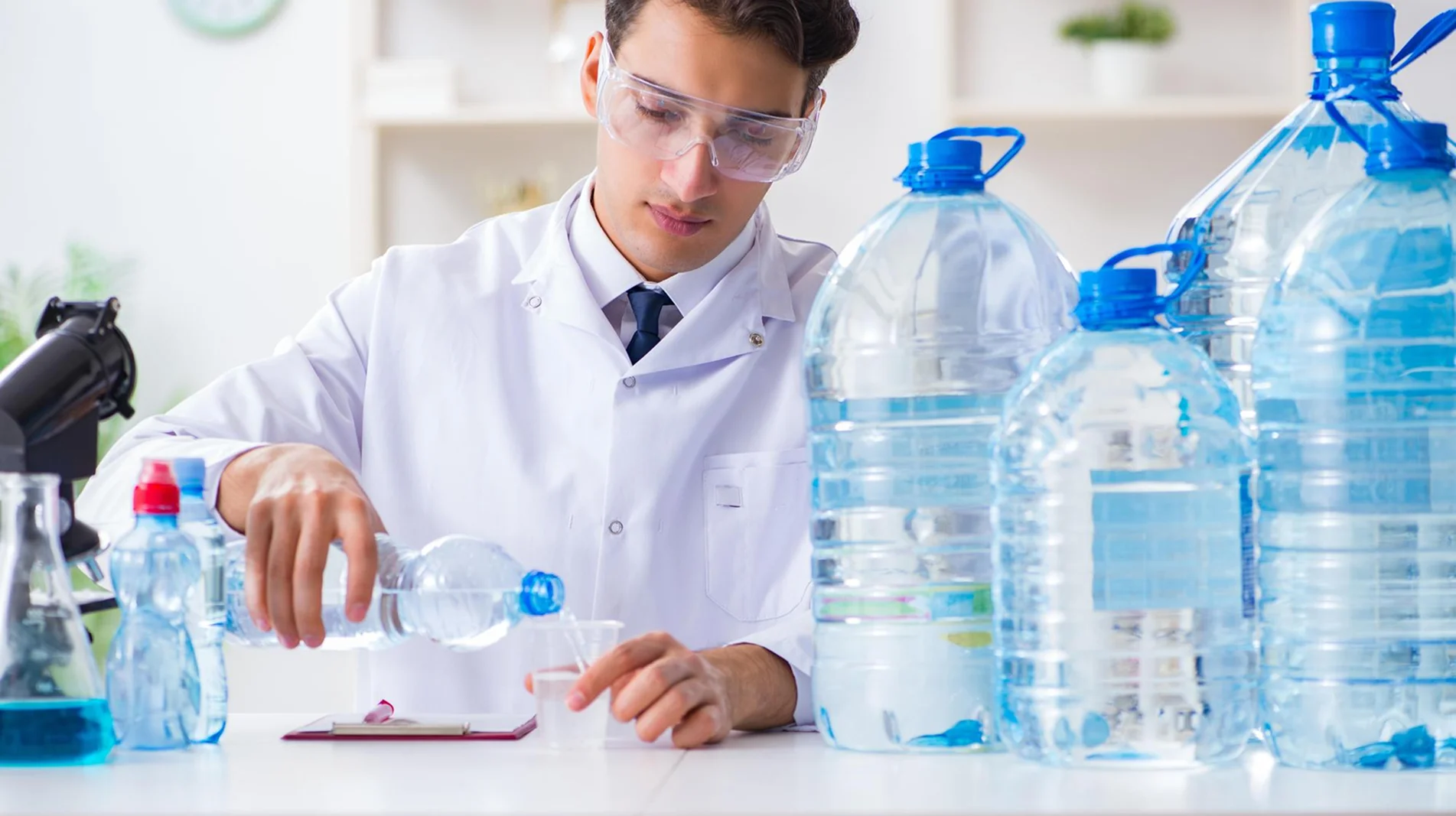
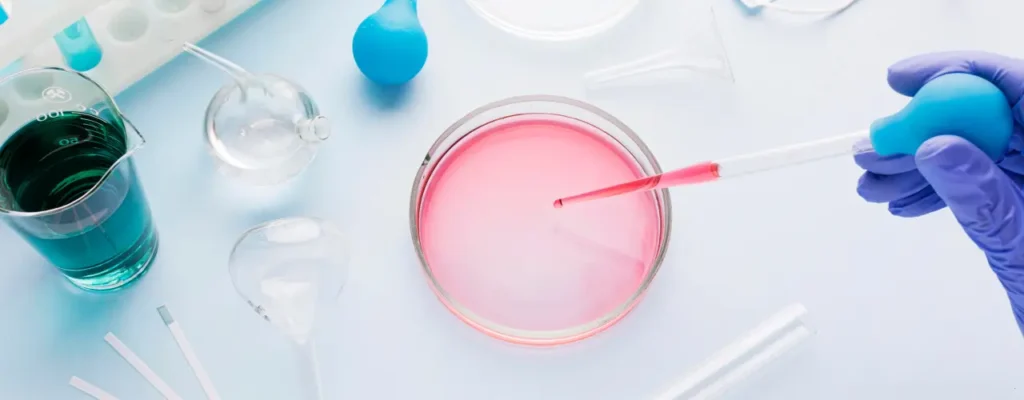
Water Testing is conducted to assess the quality, safety, and suitability of water for drinking, industrial, environmental, and commercial applications. It involves the analysis of physical, chemical, and microbiological parameters to ensure compliance with regulatory standards and protect public health.

[Detailed Description ]

Water Quality Testing for Safety and Compliance

Water is a critical natural resource, and its quality directly impacts human health, industrial processes, agriculture, and the environment. Water can become contaminated through industrial effluents, agricultural runoff, sewage discharge, environmental pollutants, and naturally occurring substances. Therefore, regular testing is essential to monitor water quality and ensure its intended use. Water Testing involves the comprehensive analysis of physical, chemical, and microbiological characteristics of water. Key parameters include physical properties such as pH, turbidity, conductivity, and total dissolved solids (TDS); chemical parameters such as hardness, alkalinity, chlorides, nitrates, sulphates, fluoride, heavy metals, and other contaminants; and microbiological parameters including total coliforms, faecal coliforms, and Escherichia coli.
At BAS, we provide testing services for drinking water, packaged drinking water, natural mineral water, groundwater, surface water, process water, wastewater, and environmental water samples. Analysis is performed using advanced techniques such as ICP-MS, ICP-OES, AAS, UV-Visible Spectrophotometry, Ion Chromatography, and validated microbiological methods to ensure accurate and reliable results. Our testing services support compliance with applicable standards and regulations, including IS 10500 (Drinking Water Specification), IS 14543 (Packaged Drinking Water), IS 13428 (Packaged Natural Mineral Water), regulatory requirements, and customer specifications.

water testing

Key Parameters Covered

Focused antibiotic residue analysis covering major antibiotic groups commonly monitored in food, animal-derived products, feed, aquaculture, and export samples.

Physicochemical Parameters

Physical Parameters

pH, Turbidity, Colour, Odour, Total Dissolved Solids (TDS), Conductivity

Microbiological Stability

Microbiological Testing

Total Coliforms, E. coli, Faecal Coliforms, Total Plate Count, Pseudomonas

research

Chemical Parameters

Hardness, Alkalinity, Nitrates, Nitrites, Chlorides, Fluorides, Sulphates

waste-water

Wastewater Parameters

BOD, COD, TSS, Oil & Grease, Pesticides, Effluent discharge standards

bottle

Packaged & Drinking Water

Full compliance testing as per IS 14543, IS 13428, IS 10500 standards

Water Testing plays a vital role in protecting public health, ensuring regulatory compliance, and supporting sustainable management of water resources by providing accurate and dependable water quality information.
Significance

Significance

Access to safe and clean water is a fundamental public health requirement. Regular water quality testing helps detect contaminants from industrial discharge, agricultural runoff, and natural sources before they reach consumers, preventing waterborne diseases and long-term health impacts.
Our testing services deliver accurate and dependable water quality data that supports regulatory compliance, informed decision-making for municipalities and industries, and sustainable water resource management across all water types — from drinking and packaged water to groundwater and wastewater.

[Blogs & case studies]

Knowledge Hub for Analytical Testing & Research

[FAQ]

Frequently Asked Questions

What is water testing?
Water testing is the analysis of water samples to check their physical, chemical, microbiological, and contaminant levels.
It helps ensure water safety, detect harmful contaminants, protect public health, and maintain compliance with required standards.
Drinking water, packaged water, surface water, groundwater, industrial water, and wastewater samples can be tested.
Common parameters include pH, turbidity, TDS, hardness, alkalinity, nitrates, heavy metals, total coliforms, and E. coli.
Yes. Water testing supports compliance with standards such as IS 14543, IS 13428, IS 10500, and other applicable national and international requirements.

Water Quality Assessment

Partner with BAS for comprehensive water testing services to evaluate the quality, safety, and compliance of drinking, industrial, and environmental water samples. Our advanced analytical methods help identify contaminants, meet regulatory standards, and ensure safe water for intended use.
Scroll to Top