
Antimicrobial, Textile & Packaging Testing

[Product Groups]
Testing of antimicrobial products, sanitizers, disinfectants, soaps, detergents, and biocides is essential to ensure efficacy, safety, and regulatory compliance. Efficacy studies (bactericidal, fungicidal, virucidal activity) validate the product’s intended function under defined conditions, which is critical in healthcare, food processing, and public hygiene applications. Inadequate performance can lead to ineffective disinfection and increased risk of contamination and disease transmission.
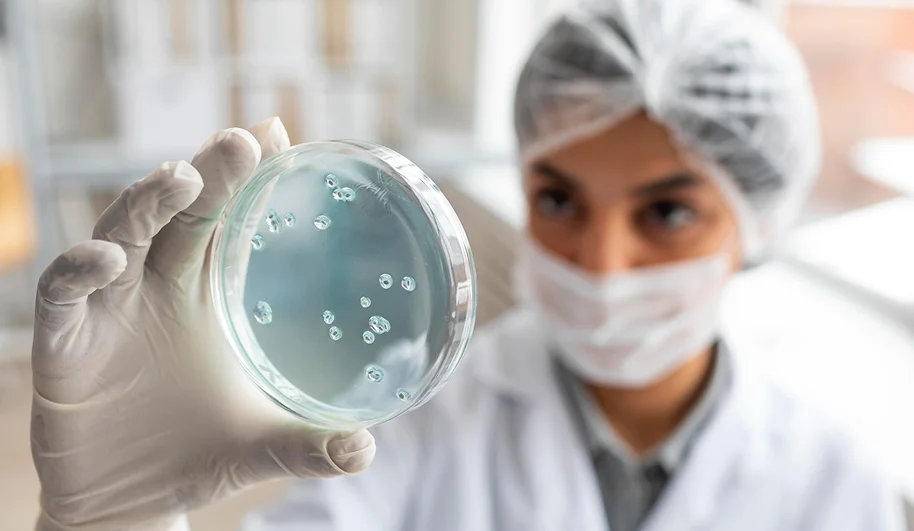
Such testing supports compliance with applicable standards and ensures that materials meet functional, safety, and environmental requirements, thereby protecting both consumers and manufacturers
Antimicrobial activity testing is significant in determining the ability of a product to inhibit or eliminate microorganisms such as bacteria, fungi, and viruses. This testing ensures that the product performs effectively as intended, supports hygiene and safety, and complies with regulatory requirements. It is essential for validating product claims and ensuring consistent performance across different applications.
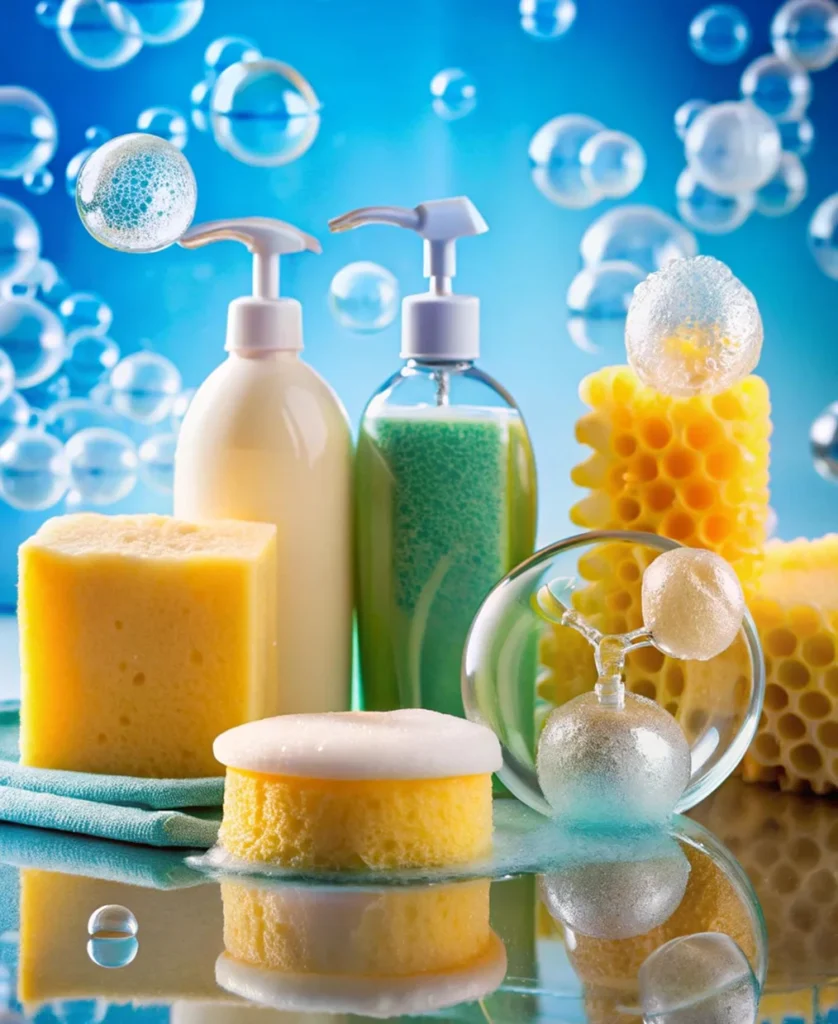
Soaps & Detergents
- Testing of textiles and fabrics is essential to evaluate their quality, durability, and performance under various conditions. It includes assessment of parameters such as tensile strength, tear resistance, colour fastness, shrinkage, and abrasion resistance to ensure product longevity.
- Chemical testing is carried out to detect harmful substances (e.g., dyes, formaldehyde, heavy metals) and ensure compliance with safety and regulatory standards. Additionally, tests for comfort properties like breathability and moisture absorption are performed, especially for apparel fabrics.
- Overall, textile testing ensures that products are safe, reliable, and meet both consumer expectations and industry requirements.
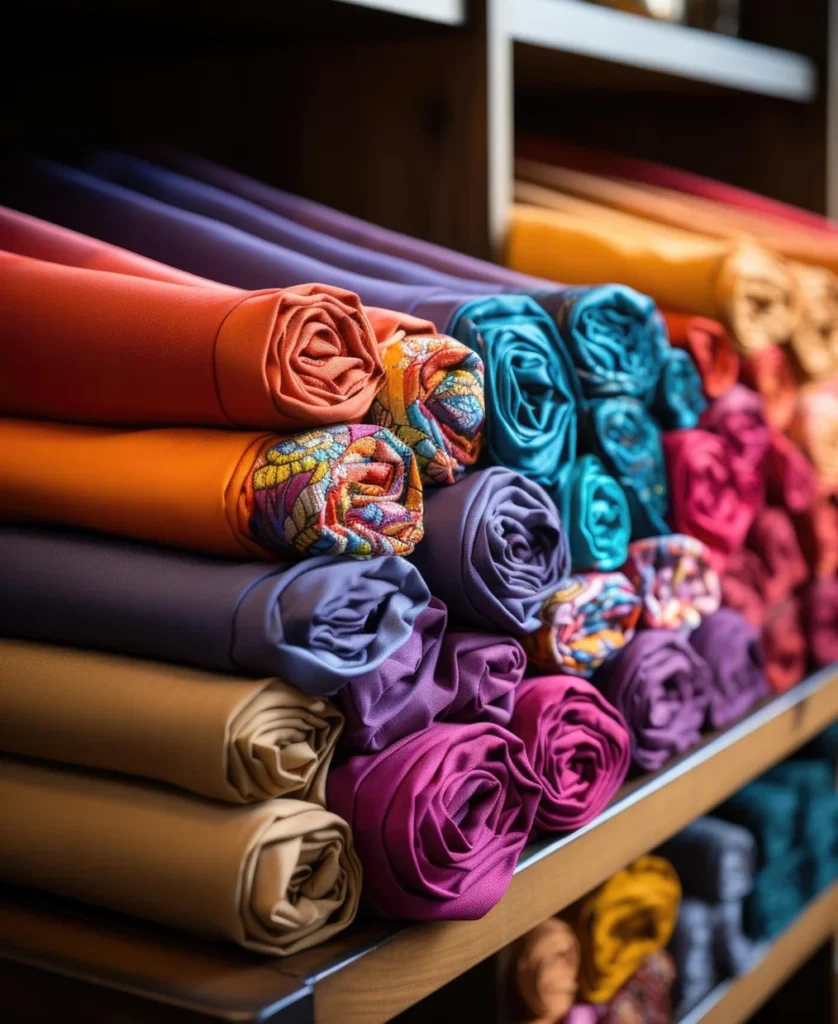
Textiles & Fabrics
Microbiological testing of textiles and fabrics is carried out to assess the presence and control of microorganisms such as bacteria and fungi. It helps evaluate the hygienic quality of fabrics and the effectiveness of antimicrobial treatments applied to textiles.
This testing is particularly important for products used in healthcare, personal care, and high-contact applications, ensuring that fabrics do not support microbial growth that could lead to infections, odours, or material degradation.
Overall, it ensures safety, hygiene, and compliance with relevant standards for antimicrobial performance.
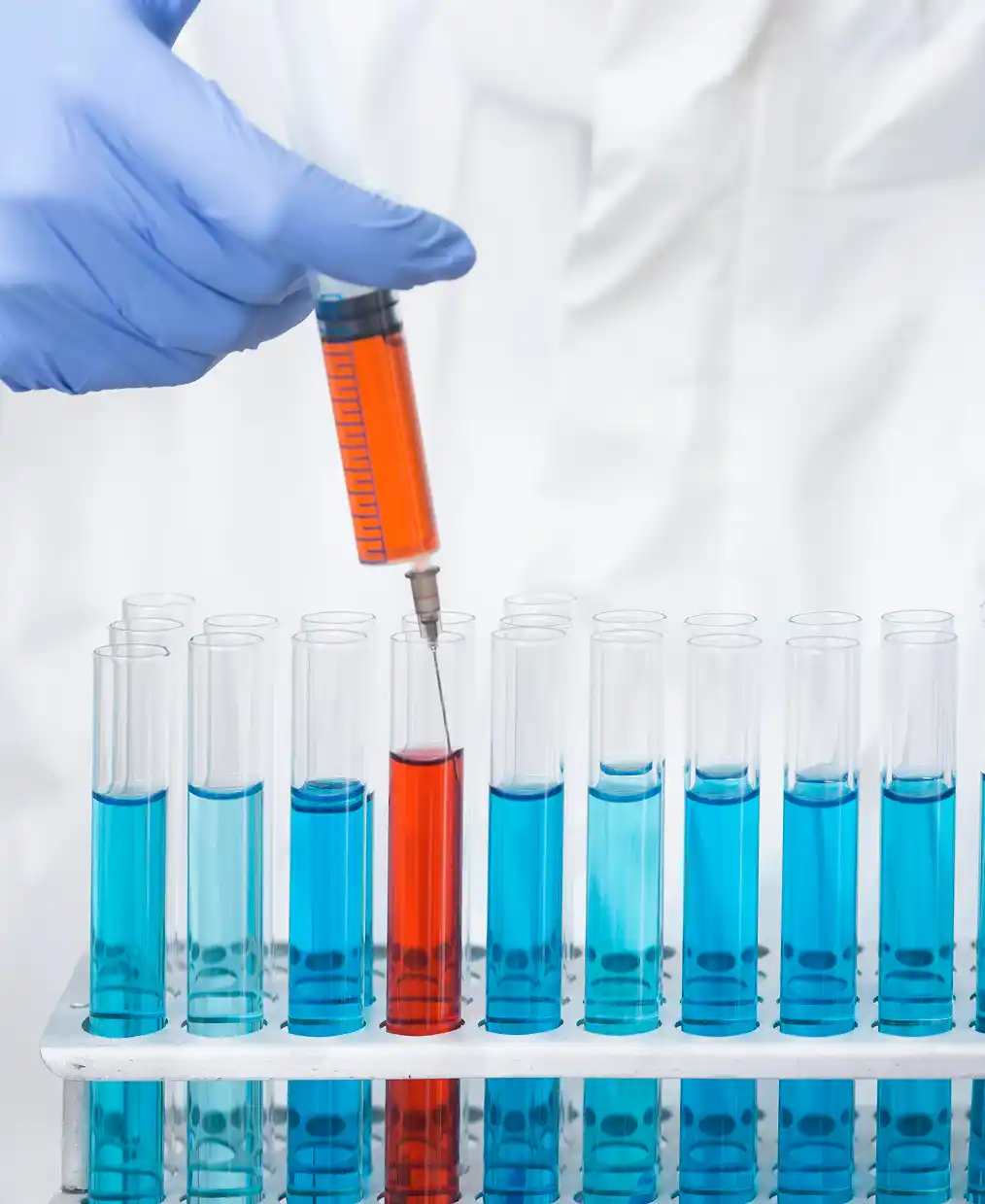
Packaging Materials
The significance of microbiological testing of packaging materials lies in ensuring that they do not introduce or support microbial contamination. This testing evaluates the microbial load and verifies the effectiveness of packaging in protecting products from external contamination during storage and transportation.
It is especially important for food, pharmaceuticals, and personal care products, where packaging plays a critical role in maintaining sterility and hygiene. Such testing helps preserve product quality, safety, and stability, extends shelf life, and ensures compliance with regulatory and safety standards.
Water Miscible Products
Microbiological Testing
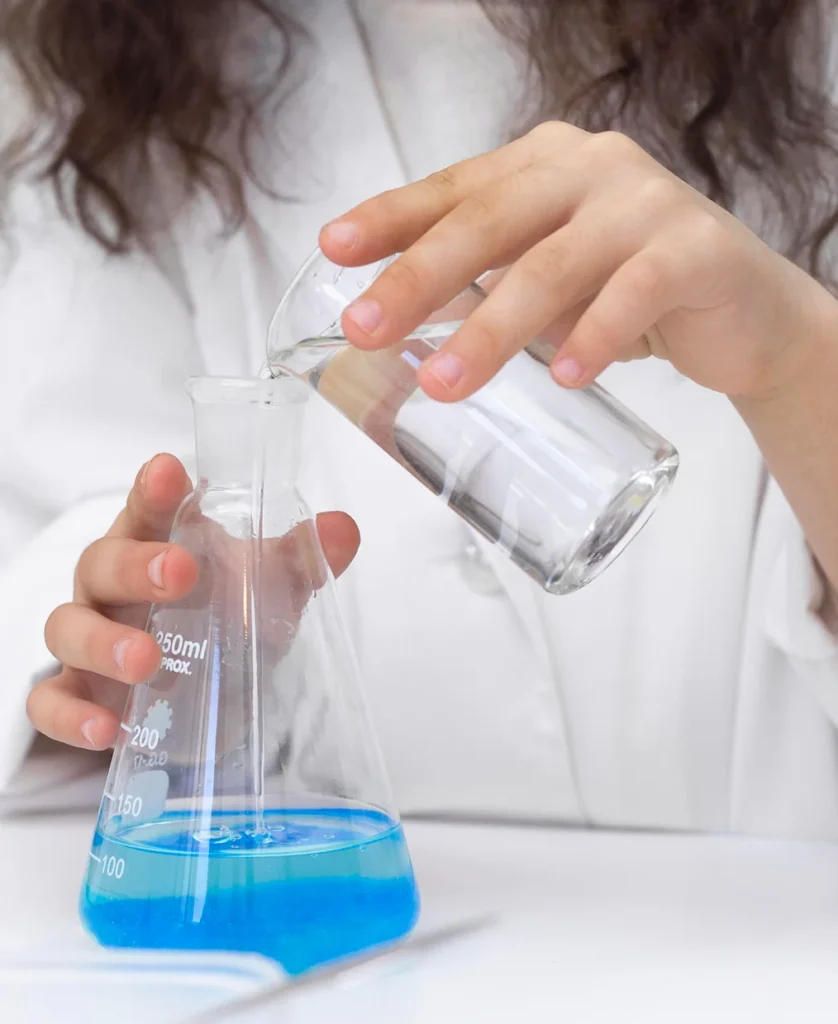
Microbiological testing of water miscible products is critical because the presence of water creates a favourable environment for the growth of bacteria, yeast, and molds. This testing evaluates the total microbial load and checks for the presence of objectionable or pathogenic microorganisms.
It also assesses the effectiveness of preservatives through studies such as antimicrobial effectiveness testing (challenge test), ensuring that the formulation can control microbial growth during storage and use. Such testing helps prevent product spoilage, phase separation, and loss of functional properties, thereby maintaining product stability, consistency, and safety. It is essential for ensuring product quality throughout its shelf life and for meeting regulatory and safety requirements.
Sanitizers
Microbiological Testing
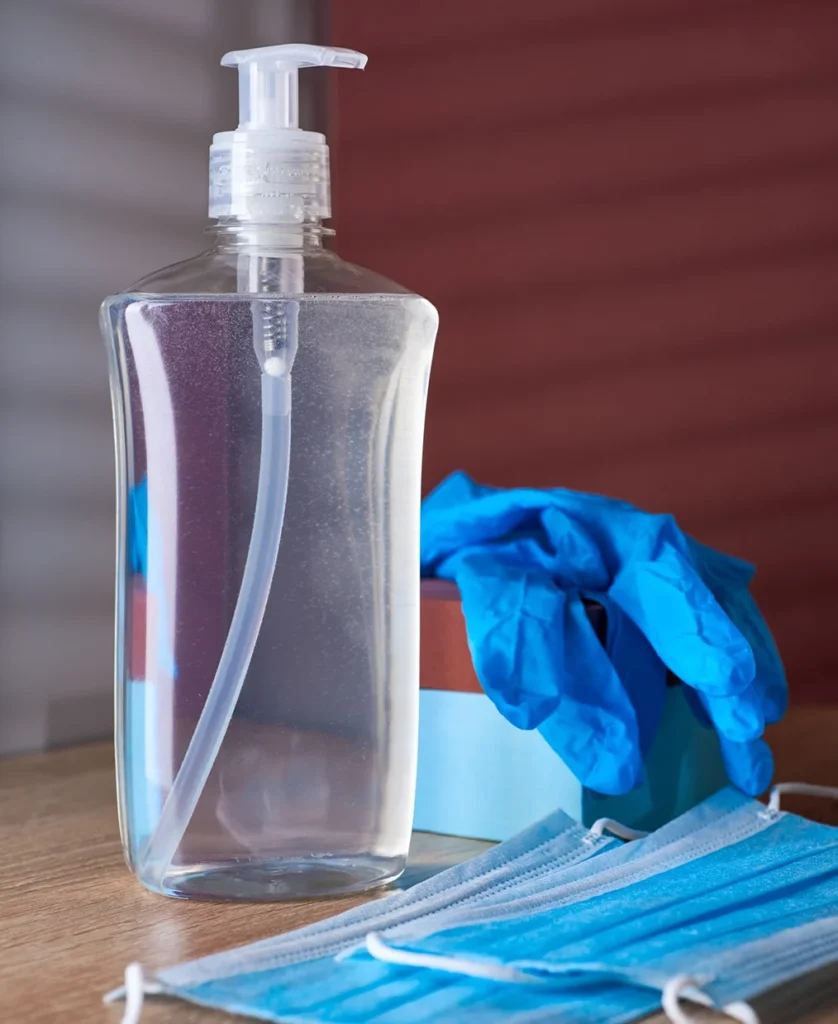
Microbiological testing of sanitizers is essential to evaluate their effectiveness in reducing or eliminating microorganisms such as bacteria, viruses, and fungi. This includes efficacy studies to verify antimicrobial claims, such as reduction of specific pathogens under defined conditions.
Testing also involves determining the minimum effective concentration, contact time, and performance under practical usage conditions. Additionally, microbial limit testing ensures the product itself is free from contamination.
Overall, this testing ensures that sanitizers are safe, effective, and compliant with regulatory standards, supporting their role in maintaining hygiene and infection control.
Disinfectants
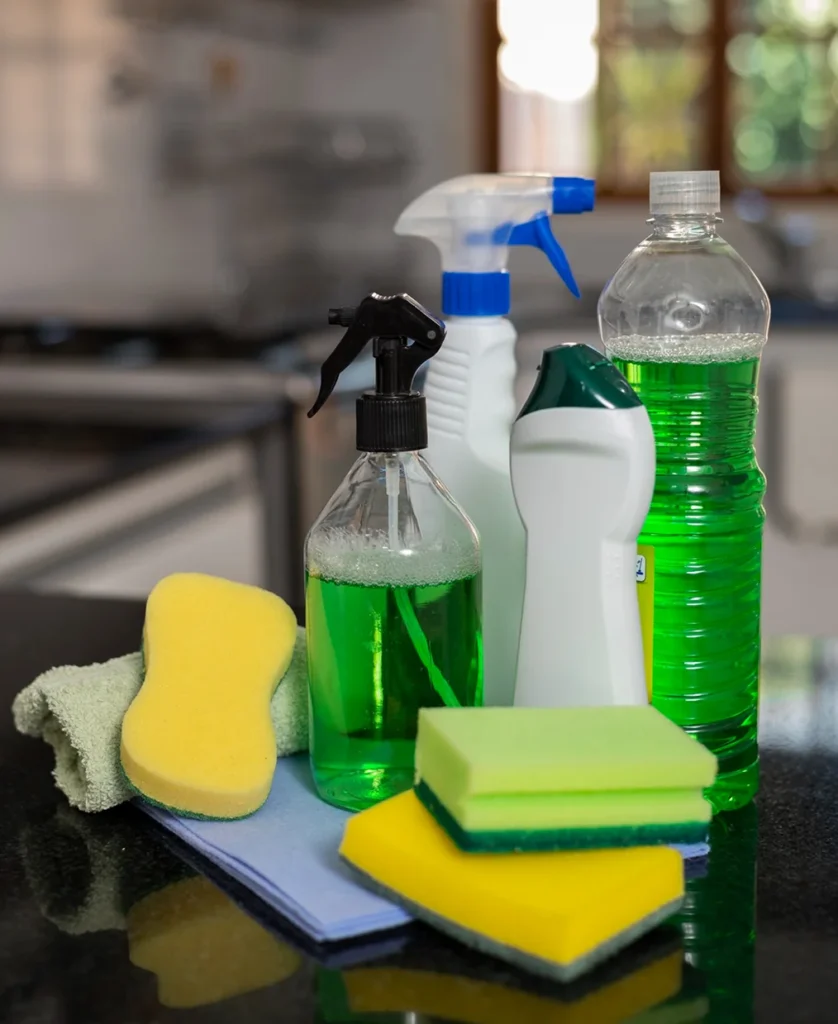
Microbiological testing of disinfectants is essential to evaluate their efficacy in eliminating or inactivating a broad spectrum of microorganisms, including bacteria, fungi, and viruses. This involves standardized efficacy tests to confirm antimicrobial claims under defined conditions such as contact time, concentration, and surface type.
Testing also assesses the product’s performance in the presence of organic matter and under practical usage conditions. Additionally, microbial limit testing ensures that the disinfectant itself is free from contamination.
Overall, such testing ensures that disinfectants are effective, reliable, and compliant with regulatory standards, supporting their critical role in infection control and hygiene management.
[FAQ]
Frequently Asked Questions
Why is antimicrobial activity testing important?
Antimicrobial activity testing helps determine the effectiveness of products in inhibiting or eliminating microorganisms such as bacteria, fungi, and viruses. It ensures product safety, hygiene, performance, and compliance with regulatory standards.
What products can be tested for antimicrobial effectiveness?
Products such as sanitizers, disinfectants, soaps, detergents, biocides, textiles, fabrics, packaging materials, and water-miscible products can be evaluated for antimicrobial performance and microbiological safety.
Why is microbiological testing required for textiles and fabrics?
Microbiological testing ensures that textiles and fabrics do not support microbial growth that may cause infections, odours, or material degradation. It is especially important for healthcare, personal care, and high-contact textile applications.
What is the purpose of packaging material testing?
Packaging material testing evaluates safety, durability, migration characteristics, and microbiological quality to ensure that packaging protects products from contamination and complies with food-contact and regulatory requirements.
How does testing help manufacturers and consumers?
Testing helps manufacturers validate product claims, maintain quality consistency, and meet regulatory requirements, while ensuring that consumers receive safe, reliable, and effective products.
Ensure Product Safety & Performance
Get reliable antimicrobial, microbiological, textile, and packaging material testing services to ensure product quality, regulatory compliance, and consumer safety. Our expert testing solutions help validate product performance, hygiene standards, and material integrity across multiple industries.