Microbiology Testing

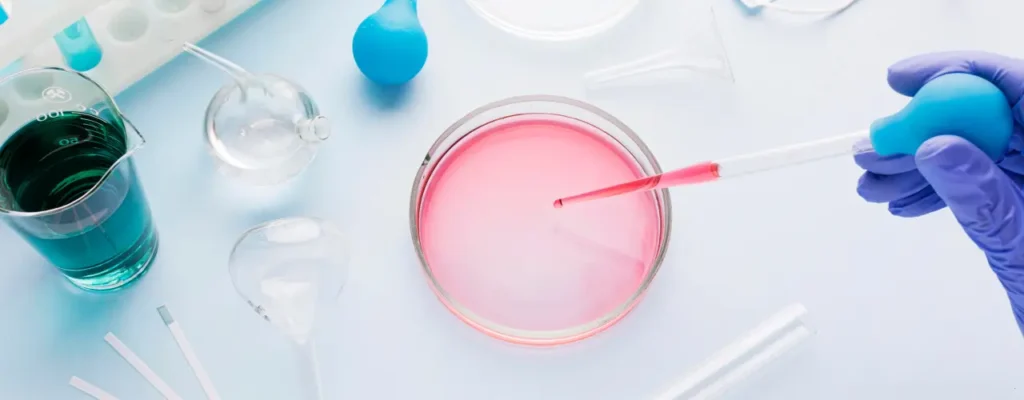
Microbiology testing detects and identifies microorganisms in food, water, environment, and products to ensure safety, quality, and regulatory compliance.

[Detailed Description ]

Comprehensive Microbiological Analysis & Safety Testing

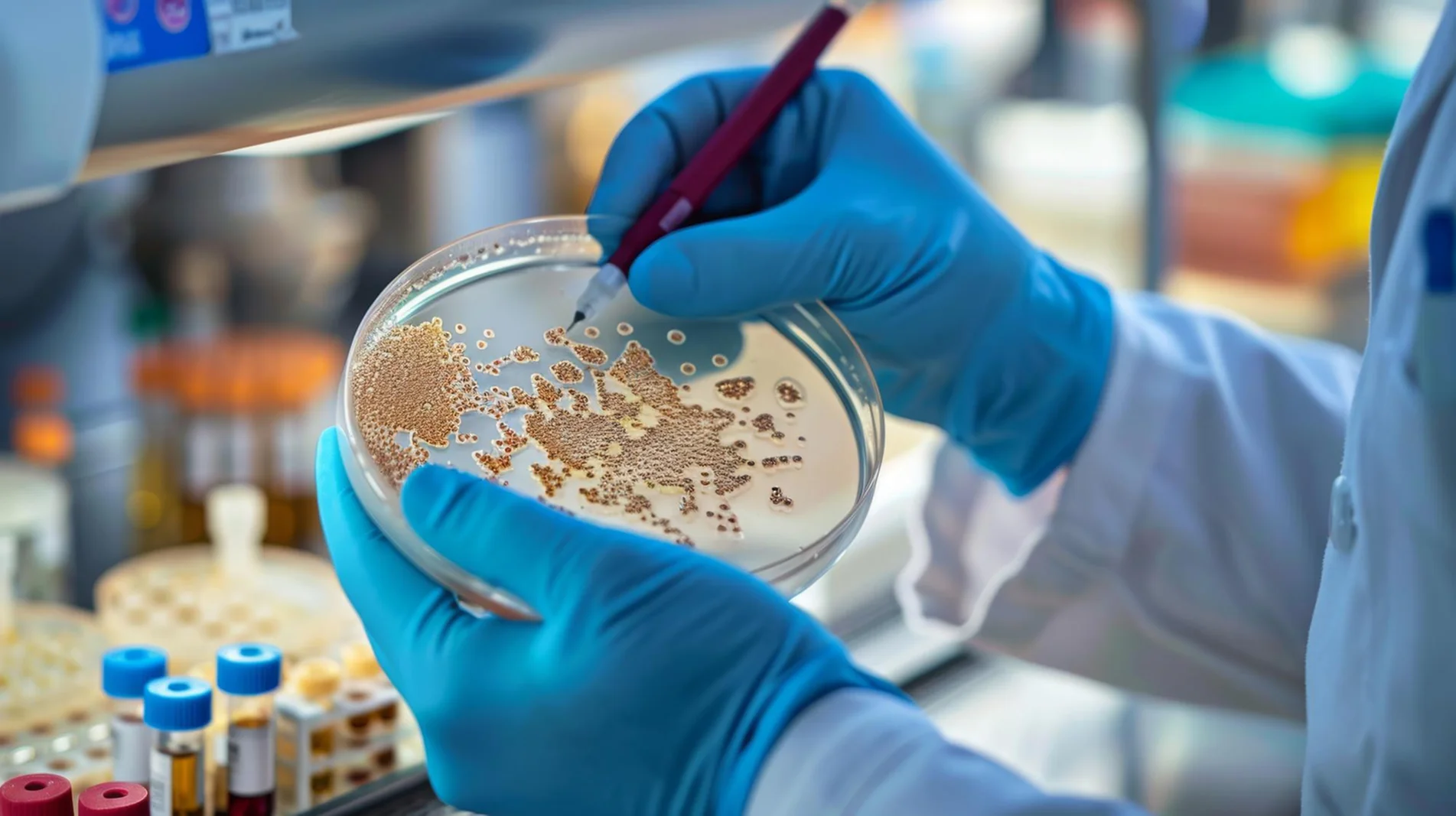
Microbiology testing is a fundamental analytical service used to detect, identify, and quantify microorganisms in a wide range of samples including food products, water, environmental samples, pharmaceuticals, cosmetics, and industrial materials. The analysis includes enumeration of total microbial load as well as detection of specific pathogens using conventional culture techniques and advanced methods such as molecular identification (PCR-based techniques). Commonly tested microorganisms include Salmonella, Escherichia coli, Listeria monocytogenes, Staphylococcus aureus, yeast, and moulds. We also conduct Preservative Efficacy Testing (PET) and evaluation of bactericidal activity of chemical disinfectants.
Microbiological evaluation also plays a critical role in environmental monitoring, including air and surface testing, and bio-burden estimation in classified and non-classified areas such as cleanrooms, laboratories, and manufacturing units. Our BAS services include Bacterial Endotoxin Testing (BET), which detects harmful toxins released by certain bacteria — especially important for sensitive products. We also assess antimicrobial activity to check how effectively a product can inhibit or kill microorganisms. All testing is performed using validated methods (IS/ISO, BAM), ensuring accuracy, traceability, and reliability of results.
Comprehensive Microbiological Analysis & Safety Testing c

Key Parameters Covered

Thorough microbiological evaluation spanning total microbial counts, pathogen detection, environmental monitoring, and specialised safety testing.
Total Plate Count

Total Plate Count (TPC) / TVC

Overall microbial load enumeration in samples
Escherichia coli

Escherichia coli

Detection of E. coli as a key hygiene and safety indicator
Pathogen Detection & Bio burden

Pathogen Detection & Bio-burden

Qualitative/Quantitative pathogen identification and bio-burden estimation
Staphylococcus aureus

Staphylococcus aureus

Detection of toxin-producing bacteria in food and surfaces
Salmonella spp

Salmonella spp.

Qualitative and quantitative pathogen detection

Listeria monocytogenes

Listeria
monocytogenes

Detection in ready-to-eat and high-risk food categories
Coliforms & Faecal Coliforms

Coliforms & Faecal Coliforms

Indicators of faecal contamination and hygiene status
Enterobacteriaceae

Enterobacteriaceae

Broad family detection for contamination screening
Yeast & Mould Count

Yeast & Mould
Count

Fungal contamination detection and enumeration
We at BAS provide accurate and reliable microbiological analysis using validated methods (IS/ISO, BAM) to support regulatory compliance, product safety, and quality assurance. Our services include Preservative Efficacy Testing (PET), Bacterial Endotoxin Testing (BET), antimicrobial activity assessment, and environmental monitoring.
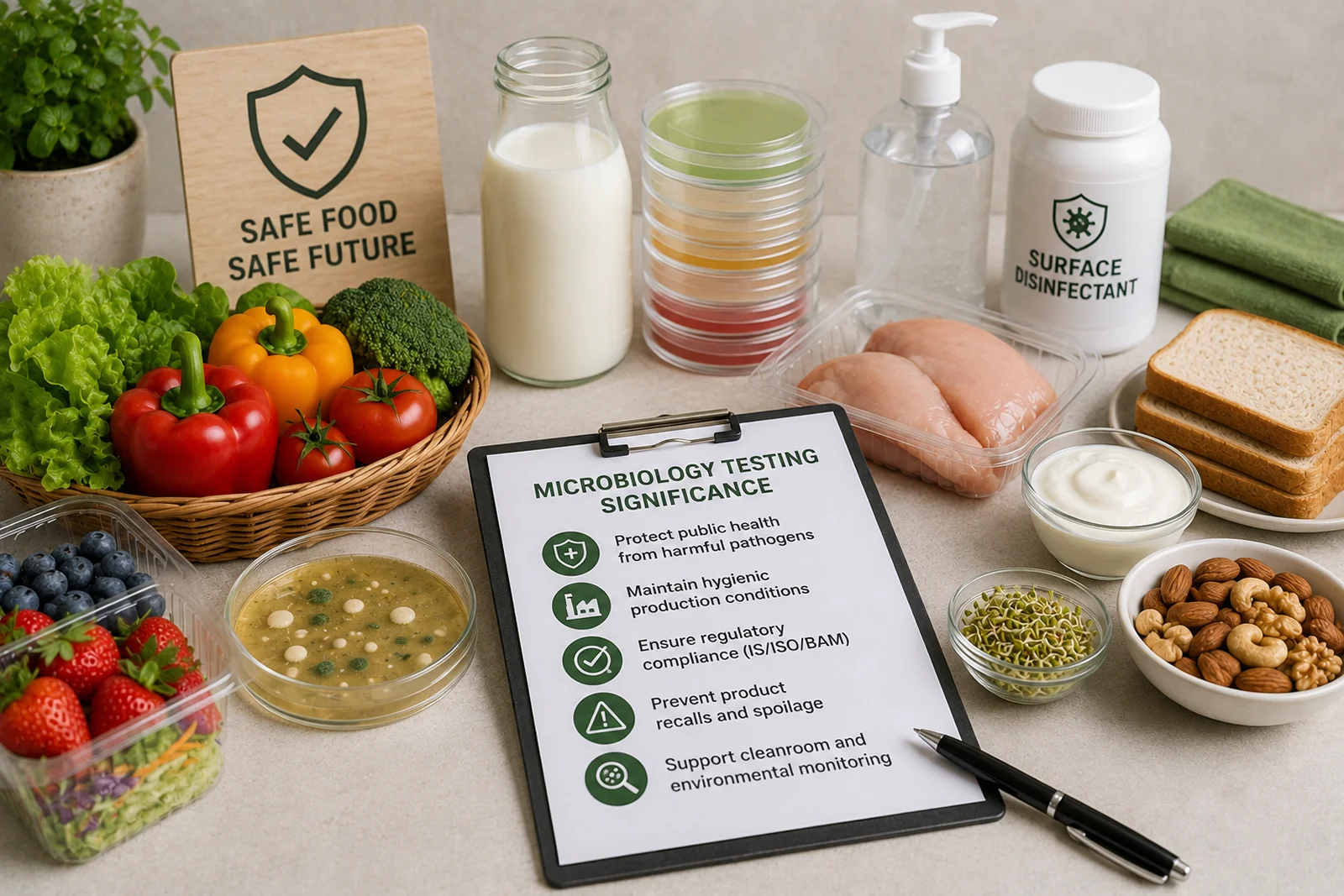
Significance

Significance

Microbiology testing is essential to ensure product safety and protect public health by identifying harmful microorganisms that can cause infections, spoilage, or contamination. It helps manufacturers maintain hygienic production conditions, comply with regulatory standards, and prevent product recalls.
Environmental monitoring and bio-burden assessment are critical for maintaining controlled environments in industries such as pharmaceuticals and food processing. Reliable microbiological data supports informed decision-making across the entire product lifecycle — from raw material sourcing to final product release.

[Blogs & case studies]

Knowledge Hub for Analytical Testing & Research

[FAQ]

Frequently Asked Questions

What is microbiology testing?
Microbiology testing is an analytical service that detects, identifies, and quantifies microorganisms in samples such as food, water, environmental surfaces, pharmaceuticals, and cosmetics. It confirms that products are free from harmful pathogens and meet required safety, quality, and regulatory standards.
A wide range of samples can be tested, including food and beverages, drinking water, environmental swabs (air and surfaces), pharmaceutical products, cosmetics, nutraceuticals, and industrial materials. Both finished products and raw materials can be evaluated throughout the production lifecycle.
Testing is performed using conventional culture-based methods as well as advanced molecular identification techniques such as PCR. All analyses are conducted using validated and standardised methods conforming to IS, ISO, and BAM guidelines, ensuring accuracy, traceability, and regulatory acceptance.
Preservative Efficacy Testing (PET) evaluates how effectively preservatives in a product protect it from microbial growth over time. It is essential for cosmetics, pharmaceuticals, and food products to confirm that the preservative system is adequate throughout the product’s intended shelf life.
Bacterial Endotoxin Testing (BET) detects harmful endotoxins (lipopolysaccharides) released by gram-negative bacteria. It is a critical safety test for injectable pharmaceuticals, medical devices, and other sensitive products where endotoxin contamination could cause severe adverse reactions in patients.
Environmental monitoring through air and surface testing helps manufacturers maintain controlled hygienic conditions in production areas, cleanrooms, and laboratories. Regular bio-burden assessment ensures that microbial levels remain within acceptable limits, preventing contamination of products during manufacturing and helping to meet GMP and regulatory requirements.

Comprehensive Microbiology Testing

Partner with BAS for comprehensive microbiology testing services designed to detect harmful microorganisms and assess product safety. Our advanced laboratory methods help ensure quality, regulatory compliance, and consumer protection across food, water, pharmaceutical, and environmental samples.
Scroll to Top